Toni Morrison — A Voice That Changed American Literature
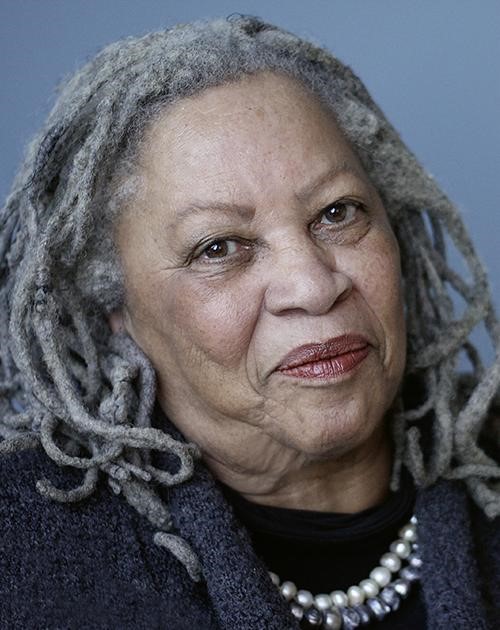
Some writers tell stories. Others change the way generations understand history, humanity, and themselves. Toni Morrison was one of those extraordinary literary voices.
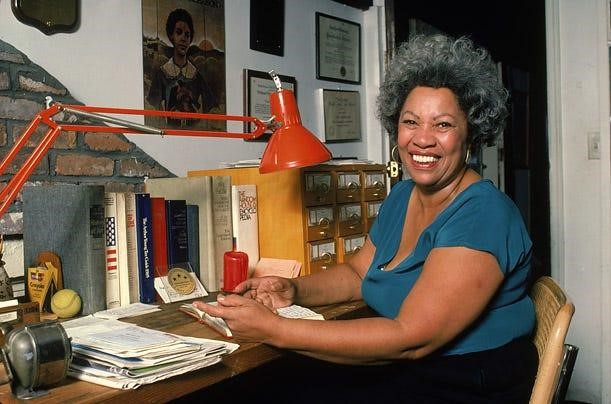
Born Chloe Ardelia Wofford in Lorain, Ohio, in 1931, Morrison became one of the most influential American writers of the twentieth and early twenty-first centuries. Through richly layered prose and unforgettable characters, she placed Black life, history, family, womanhood, memory, love, pain, and survival at the center of her work.
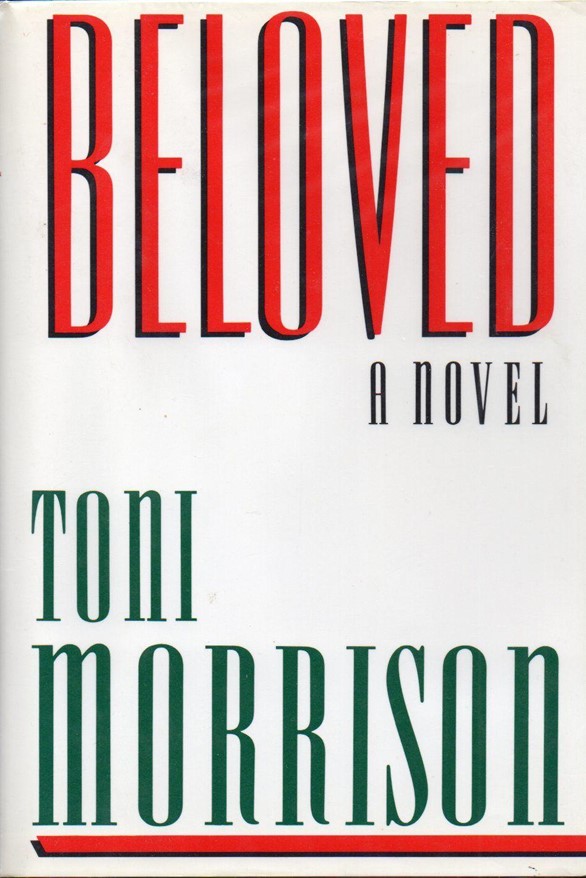
The Power of Beloved
Perhaps Morrison’s best-known novel, Beloved, was published in 1987 and received the 1988 Pulitzer Prize for Fiction.
The novel confronts the devastating legacy of American slavery through the story of Sethe, a formerly enslaved woman whose past continues to inhabit her present. Morrison explores motherhood, freedom, memory, trauma, identity, and the enormous psychological cost of slavery.
Beloved does not allow history to remain distant. Morrison makes history deeply personal.
A Remarkable Body of Work
Morrison’s literary legacy extends far beyond Beloved. Her novels include The Bluest Eye, Sula, Song of Solomon, Tar Baby, Jazz, Paradise, Love, A Mercy, Home, and God Help the Child.
Her work repeatedly asks difficult questions: What happens when society determines whose beauty matters? How does the past live inside the present? What does freedom mean after oppression? How do families survive inherited pain? And what happens when people attempt to define themselves in a world determined to define them first?
A Historic Nobel Prize
In 1993, Morrison received the Nobel Prize in Literature, becoming the first Black woman to receive the honor.
Her achievement represented more than an individual literary milestone. It brought worldwide recognition to a body of writing centered unapologetically on experiences that had too often been pushed to the margins of American literature.
Why Her Voice Still Matters
Toni Morrison demonstrated that difficult stories deserve beautiful language, that painful history should not be erased, and that the experiences of Black women, families, and communities belong at the center of literature.
Her writing challenges readers not merely to observe her characters but to encounter their humanity.
That is part of the enduring power of literature: a book can preserve memory, confront uncomfortable truths, create empathy, and give voice to experiences that might otherwise remain unheard.
From One Writer to Another
As an author and poet, I honor Toni Morrison not by attempting to imitate her voice, but by recognizing what her literary courage made possible.
Every writer must ultimately discover her own voice.
Morrison showed generations of writers that our histories can be written, our communities can be centered, our complicated truths can be explored, and our stories do not require permission to matter.
Toni Morrison’s words remain with us because she wrote beyond the page. She wrote into memory.
— Sharon Hilliard
Author • Poet • Storyteller
The Sharon Hilliard Collection


Leave a comment